
Landing Page vs Full Website: Which Does Your Business Need?
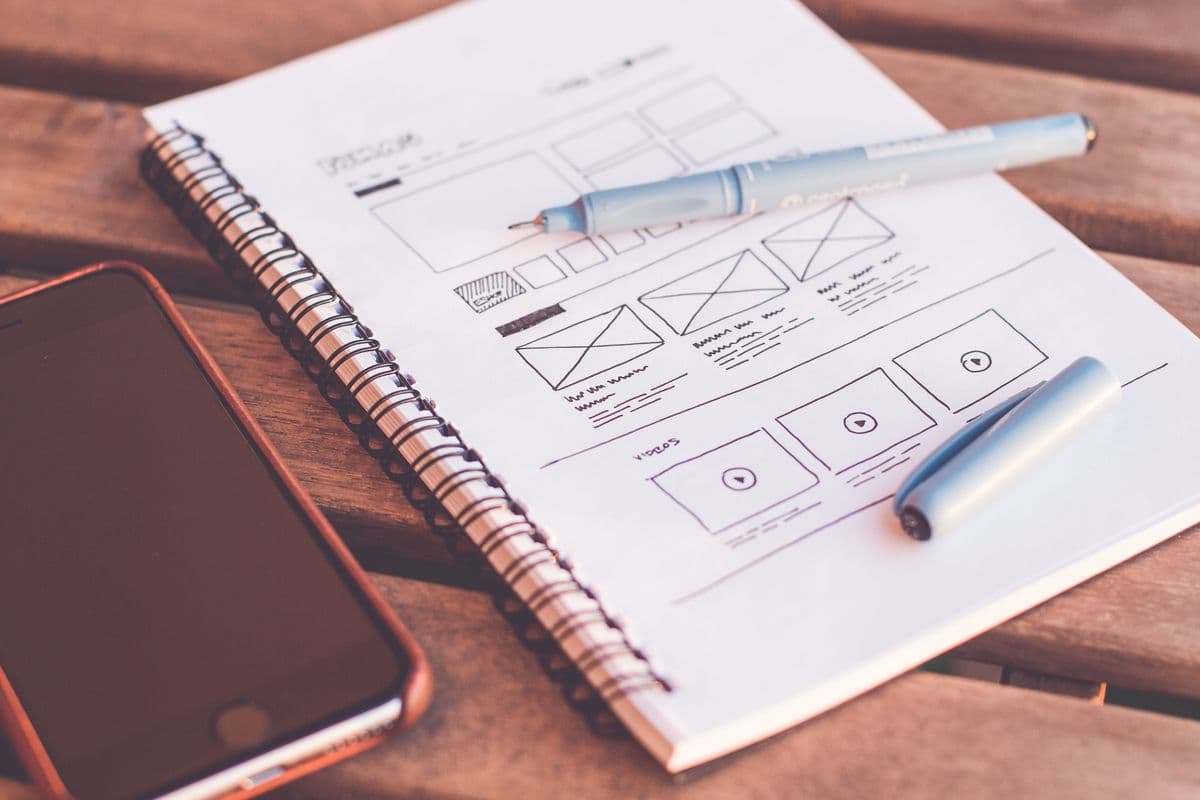
"Do I need a full website, or is one page enough?" is one of the most common questions we get from Malaysian business owners — and one where agencies have an obvious incentive to answer "full website, the bigger the better". The honest answer is that both are legitimate tools with different jobs. A landing page is a sprinter; a full website is a distance runner. Pick based on the race you are actually in, not on what sounds more impressive.
What a landing page actually is
A landing page is a single page built to move a visitor toward one action: WhatsApp us, book a slot, register interest, claim the offer. Everything on it — headline, photos, testimonials, pricing, the button — exists to support that one decision. There is no menu tempting people to wander off, which is precisely why landing pages convert well for focused campaigns. Done properly it is not a "cheap website"; it is a different instrument.
When a one-pager is the right call
- ●You run ads (Facebook, Instagram, Google) and need a focused page for the ad to land on — sending paid traffic to a generic homepage wastes money
- ●You sell one clearly defined service or product, and a single persuasive page can say everything that matters
- ●You are launching something — an event, a new outlet, a promo — with a natural end date
- ●You are validating a business idea and want a credible presence before committing to a bigger build
- ●Your budget is genuinely tight and the choice is between one good page and nothing
What a landing page cannot do
The trade-off is search visibility. Google ranks pages, not businesses, and one page can realistically rank for one tight cluster of searches. If you offer five services in three areas, a single page cannot cover "plumber in Subang Jaya", "water heater installation" and "toilet leaking repair" at the same time — each of those deserves its own page with its own heading and its own answers. A landing page also gives you nowhere to publish the guides and answers that earn Google's trust over time. If most of your customers should come from people searching on Google rather than from ads or referrals, a one-pager will feel like fishing with a single hook.
When a full website earns its cost
A multi-page website is the right call when you want breadth: a page per service, an about page that builds trust, a contact page, perhaps a blog. Each page is another door through which Google can send you visitors, and the doors compound — a services page that ranks keeps sending enquiries month after month without ad spend. It is also simply what established customers expect when they check you out before a large purchase. If your business depends on being found rather than just being advertised, the full site is the sensible investment.
Honest numbers
Our pricing is public, so here is the real comparison. A Starter build — 1 to 3 pages, custom-coded, live in about a week — is RM1,500, and a well-built landing page sits in that tier. A Business build with up to 8 pages, a blog and on-page SEO is RM3,500. Neither number includes ad spend, which for campaign-driven landing pages is usually the larger cost over time. Whoever you hire, be wary of landing pages priced like full websites, and of "full websites" that are really one page stretched thin.
The upgrade path: start small without starting over
Here is the part that matters most if you are undecided: a properly built landing page should grow into a full website without being thrown away. Because we custom-code every site, a one-pager built this month can gain a services section, a blog and more pages later — same design language, same domain, no rebuild. The order that works for many SMEs: launch a focused page now, start collecting enquiries (ideally with WhatsApp wired in properly), and expand pages as revenue justifies it. What you want to avoid is the expensive middle path — paying for a template site that can neither convert like a landing page nor rank like a real website, then paying again to replace it.
Our honest rule of thumb
If your traffic will come from ads, referrals or a QR code on packaging, start with a landing page. If your traffic should come from Google searches for what you do, budget for the multi-page site — or start with the landing page and commit to the upgrade. Still unsure which describes your business? Tell us what you are trying to achieve and we will recommend the smaller option whenever it genuinely fits — a clear, itemised quote within 1 business day, no hidden fees.