
How to Rank Higher on Google Maps in Malaysia
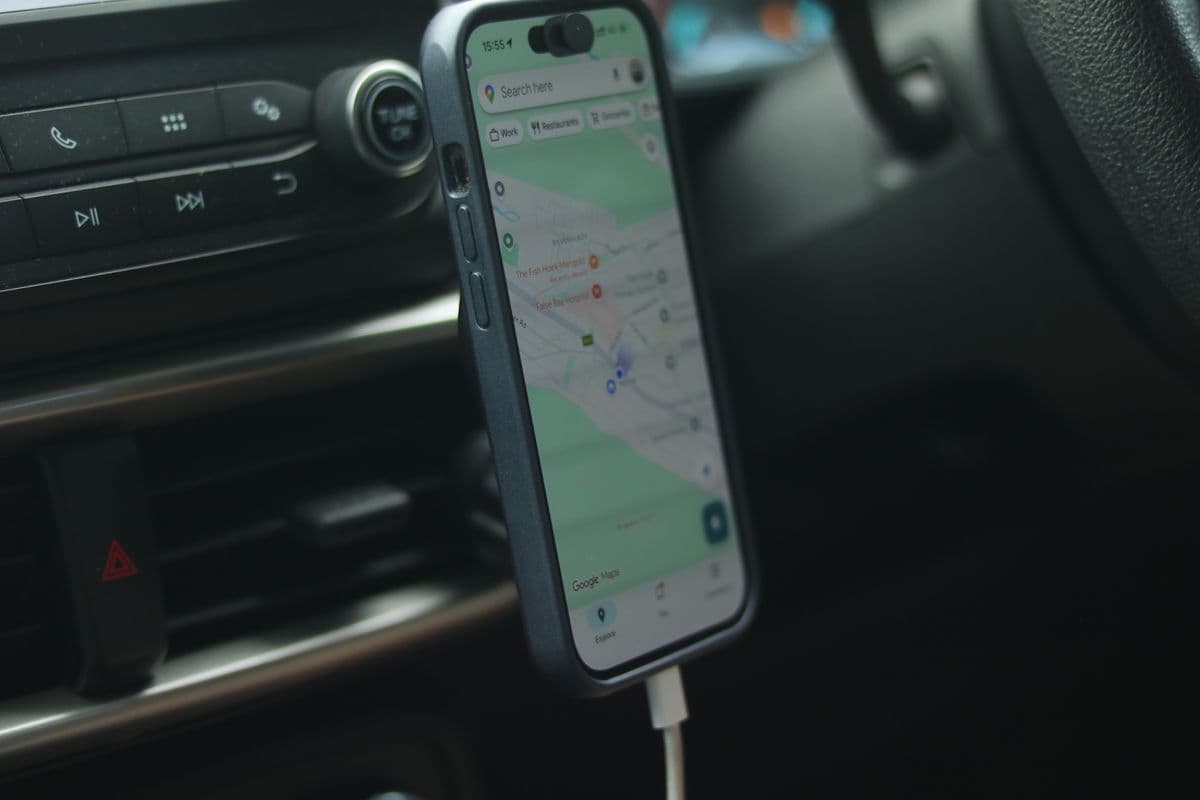
When a Malaysian customer needs something nearby — a clinic, a workshop, a printer, nasi kandar at 1am — they search Google and look at the map with its three highlighted businesses. Getting into that map pack is some of the highest-value visibility a local business can have, and unlike ads, it costs nothing but effort. The frustrating part is that most owners set up a Google Business Profile once, half-finished, and never touch it again. This guide covers what actually moves the needle, in rough order of impact.
How Google decides who appears
Google is open about the three ingredients. Relevance: how well your profile matches what was searched. Distance: how close you are to the searcher — which you cannot change, so stop worrying about it. Prominence: how established and well-regarded your business appears, drawn from reviews, your website and mentions of you around the web. Everything below feeds relevance or prominence. There is no secret lever, which is good news: it means the work is boring, doable and hard for lazier competitors to copy.
Complete every field, honestly
A complete profile beats a skeleton one, both with Google and with the humans deciding whether to call you. Fill in opening hours (and update them for public holidays — few things annoy customers like driving to a closed shop on Raya), phone number, website, full description, services, and attributes like parking or halal certification where they apply. One rule matters above all: your business name on the profile must be your real-world name. Stuffing it with keywords — "Ali Aircond Service Best Cheap KL PJ" — violates Google's guidelines and can get the listing suspended. Not worth it.
Categories do heavy lifting
Your primary category is one of the strongest relevance signals you control, so be specific: "Nasi Kandar Restaurant" beats "Restaurant" if that is what you are, because you will surface for the specific searches with less competition. Add secondary categories for everything else you genuinely do, and resist adding aspirational ones you do not — mismatched categories confuse Google and disappoint visitors. It is worth checking what categories the businesses currently ranking above you use.
Reviews: the ethical playbook
Reviews feed prominence, and the stars are the first thing customers compare. But there is a right and wrong way to earn them:
- ●Ask every happy customer, at the moment they are happy — right after the job is done or the meal is finished, not weeks later
- ●Make it effortless: WhatsApp them your review link directly, or print a QR code for the counter
- ●Reply to every review, good and bad — a calm, helpful reply to an unfair review often impresses readers more than the five-star ones
- ●Never buy reviews or run review-for-discount promos; Google removes fake reviews, may suspend the profile, and Malaysian customers can smell a wall of same-day five-stars anyway
- ●Do not panic over one bad review — a 4.7 with 80 honest reviews outsells a suspicious 5.0 with 6
Photos: proof you are real
Profiles with real, current photos earn more clicks and calls, because photos answer the quiet question behind every local search: is this place legit and still operating? Upload your shopfront (so people can find you), interior, team and work or products, and add new ones now and then rather than in one batch at setup. Phone photos in decent light are completely fine — authenticity beats gloss here.
NAP consistency: one identity everywhere
NAP stands for name, address, phone — and Google cross-checks these across your website, Facebook, Instagram, directories and anywhere else you are listed. Inconsistencies (an old number here, "Jln" versus "Jalan" there, a previous address in some forgotten directory) erode Google's confidence in your details. Pick one exact format for all three, write it down, and use it identically everywhere. Tedious, done once, quietly effective.
The website link still matters
Your profile competes partly on prominence, and a real website is a large part of it. A site that names your services and areas gives Google corroborating evidence for the searches you want, and it converts the visitors who click through wanting detail a profile cannot hold. A profile linking to nothing — or only to a social page — leaves that signal on the table. It does not need to be large; a focused page or small site built on the SEO basics we covered earlier covers most local businesses. One more thing: if you serve customers at their location and have no walk-in premises, set your profile up as a service-area business and hide the address — accuracy protects you here too.
None of this is complicated; it is consistency that separates the businesses in the map pack from those beneath it. If the missing piece is a fast website that backs up your profile, we build exactly that — get a free, itemised quote from our KL studio within 1 business day.